FTC Spam Rules for Telemarketers: What This Means for You
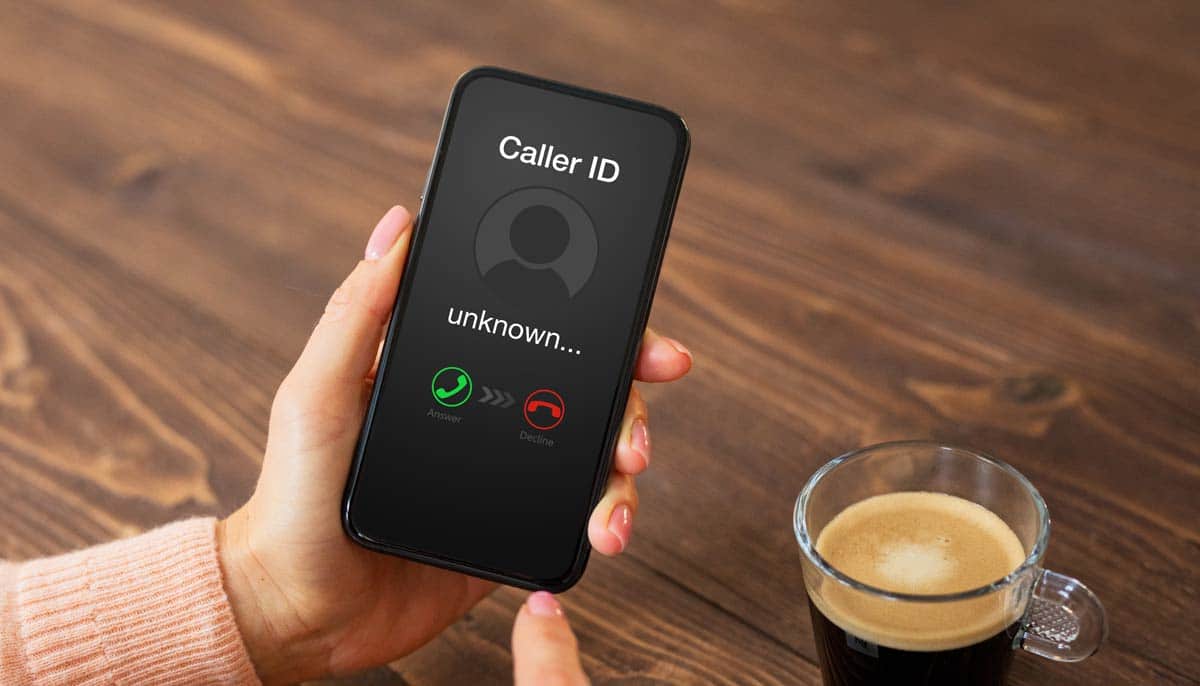
The Federal Trade Commission (FTC), the government body responsible for regulations about advertising, has approved new amendments to its Telemarketing Sales Rule several times over the past few years. This regulation covers most kinds of phone calls businesses make to potential customers. The new amendments cover a range of topics, but they heavily focus on protecting consumers like you from suffering from spam calls or fraudsters.
The new amendments are already in effect. If you’re being targeted by telemarketers, you can use the recent amendments to potentially end the harassment. Here’s what you need to know about the amended Telemarketing Sales Rule and what it means for you.
The History of the Telemarketing Sales Rule
The original intention of the FTC’s Telemarketing Sales Rule was to prevent businesses from using abusive calling practices to market their offerings. The rule was first published in 1995, four years after the landmark bill known as the Telephone Consumer Protection Act (TCPA). The TCPA was a Federal Communication Commission (FCC) Act that first created the National Do Not Call list, protecting consumers from receiving spam calls from any business legitimate enough to find the list. It also added specific requirements for anyone making sales calls, such as not calling before 8 am or after 9 pm in the recipient’s time zone and keeping lists of numbers people have requested not to call.
The Telemarketing Sales Rule reinforced the TCPA. Not only did it require companies to maintain specific Do Not Call lists, but it also mandated several other actions:
- Telemarketers may not misrepresent who they are calling for or why they are making the call
- Telemarketers must make specific disclosures about the purpose of their call
These requirements were invaluable for protecting consumers. Without a widely-used caller-ID system, recipients couldn’t verify who callers were on their own. The Telemarketing Sales Rule instituted harsh penalties for any business that failed to correctly identify itself during sales calls, preventing many instances of fraud.
Why the FTC Implemented Telemarketing Rule Changes
Modern technology has forced the FTC to update the Telemarketing Sales Rule several times since then. The FTC rarely takes any kind of action to restrict trade unless it’s been clearly demonstrated to hurt consumers. As with any of the Commission’s new rulings, this means that the amendments to the Telemarketing Sales Rule were approved because unscrupulous companies were successfully taking advantage of people.
As debit and credit cards and other digital forms of payment became widespread, telemarketers entered a new world of potential fraud. Unscrupulous companies would call people and ask for their card information to verify purchases, only to charge them for something they had never intended to order.
As a result, the FTC has implemented two significant changes in recent years. First, it has set strict restrictions on how telemarketers may accept payment for goods and services. Telemarketers may not take payments by:
- Remotely-created payment orders
- Remotely-created checks
- Cash-to-cash money transfers like Western Union money orders
- Cash reloads on prepaid credit cards
All four of these methods are heavily favored by scammers and unscrupulous companies because they are challenging for consumers to reverse. The relative anonymity of each form doesn’t allow for chargebacks, and banks rarely agree to refund consumers the money they’ve lost to these methods.
Similarly, the FTC also now requires telemarketers to provide descriptions of the good or service the customer is purchasing in the same recording in which the consumer grants them permission to charge their cards. This prevents bait-and-switches from being performed since it provides a verifiable record of what the customer intended to buy.
Finally, if you are on the national Do Not Call list, a telemarketer must explain to you the prior business relationship you have with their company on a recorded call. In combination with the new payment regulations, these requirements give consumers a significantly better chance of avoiding fraud and spam calls entirely.
Using the FTC’s Rules to Stop Spam Calls
The FTC’s rules offer consumers like you a significantly better chance of shutting down spam calls. The increased restrictions give you more opportunities to fight back against unscrupulous callers and get them to stop calling you for good. You can use these rules in several ways.
If you receive a telemarketing call, it should be recorded by the company to comply with FTC regulations. You can therefore record the conversation as well. If the telemarketer violates the Telemarketing Sales Rule or the TCPA, you can use this recording to prove it in court. Unfortunately, unethical companies are prone to “losing” their own copies of these calls, so your copy may be the only one you can access.
A recording can help you prove things like:
- The telemarketer attempted to have you pay with any of the banned payment methods
- The caller misrepresented themselves or lies about their reason for calling
- They called even though you’re on the national Do Not Call list, without a prior business relationship
- They called too early or too late at night
- They did not offer you a description of the item you wanted to buy before confirming the purchase
Simply having a recording of the call makes all the difference. It changes the situation from being your word against theirs into a case with proof. That’s key to convincing companies to take you seriously.
Stop Putting Up with Spam Calls
The FTC’s new rulings are a clear and decisive move in favor of people like you. If you’ve been putting up with spam calls that just won’t stop, the new rules may give you just what you need to fight back.
If you’re ready to take action and end the barrage, you can get the help you need from the experienced lawyers at the Law Offices of Todd M. Friedman, P.C. With dozens of successful anti-telemarketing cases on their records, these attorneys are prepared to help you reclaim your phone and your free time from spam calls. Get in touch today to schedule your consultation and decide on your next steps.
Think you have
a case?
Most cases are handled on contingency, with no out-of-pocket costs. You pay nothing unless we win.
Call 323-690-1688Schedule a Free Case Review
Prompt, straightforward feedback. No obligation.



.jpg?width=1920)
.jpg?width=1920)